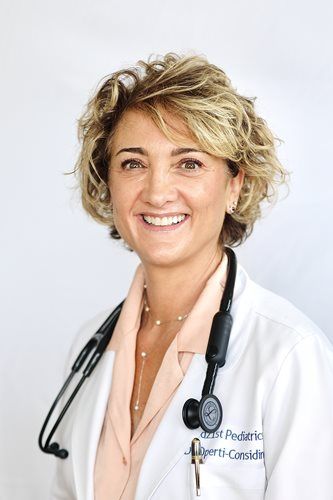
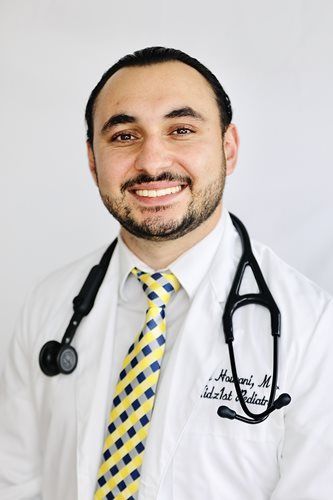
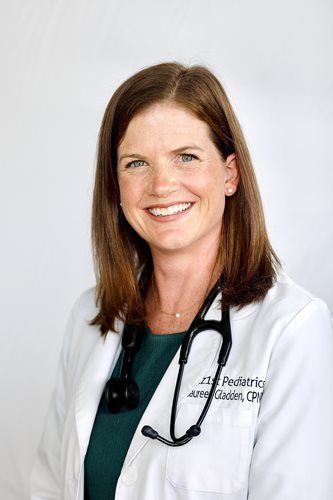
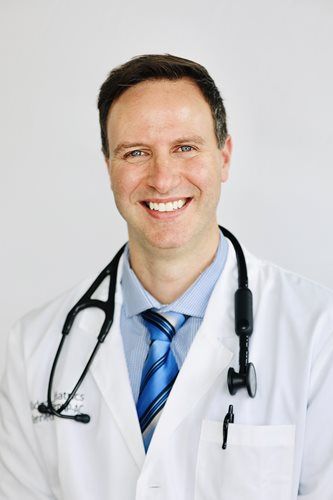
Our Providers
Staff List Connected v1.2
What is a pediatrician?
A pediatrician is medical doctor who manages the physical, behavioral, and mental health of children from birth until age 21. A pediatrician is trained to diagnose and treat a broad range of childhood illnesses from minor health problems to serious diseases.
Pediatricians have graduated from medical school and completed a three-year residency program in pediatrics. A board-certified pediatrician has passed rigorous exams given by the American Board of Pediatrics. To remain certified, pediatricians have to meet regular continuing education requirements.
Your pediatrician will see your child many times from birth to age 3 and then annually through high school or college for "well-child visits." Your pediatrician is also the first person to call whenever your child is sick. In caring for your child, a pediatrician will:
- Do physical exams.
- Give your child recommended immunizations.
- Make sure your child is meeting developmental milestones in growth, behavior, and skills.
- Diagnose and treat your child's illnesses, infections, injuries, and other health problems.
- Give you information about your child's health, safety, nutrition, and fitness needs.
- Answer your questions about your child's growth and development.
- Refer to and collaborate with specialists should your child need care beyond the pediatrician's expertise.
Kidz1st Pediatricians are members of the American Academy of Pediatrics

What is a nurse practitioner
Pediatric Nurse Practitioners (PNPs) are advanced practice nurses who have additional education and training beyond that of a registered nurse (RN). PNPs are dedicated to improving children's health and serve children and families in an extensive range of practice settings. Working with pediatricians and other health care providers, PNPs have been enhancing the healthcare of children for over forty years. Primary care PNPs offer a variety of services including:
- Health maintenance care for children, including well child examinations
- Routine developmental screenings
- Diagnosing and treating common childhood illnesses
- Anticipatory guidance regarding common child health concerns
- Performing school physicals and in-depth physical assessments
- Interpreting results of laboratory and diagnostic tests
- Ordering medications and performing therapeutic treatments in a variety of settings
Learn more at the National Association of Pediatric Nurse Practitioners
Why do you need a provider specifically trained in children?
Children aren’t little adults! They have unique needs that are best served by those trained to understand them
- We have specialized training in the physical, emotional and behavioral needs of children
- We only see children, so we have a broad experience recognizing and treating childhood illnesses
- If your child was born early or has a health condition that needs close monitoring, we are best qualified to managed their special care